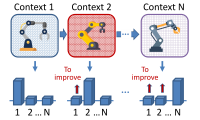
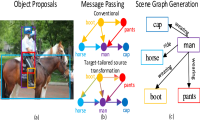
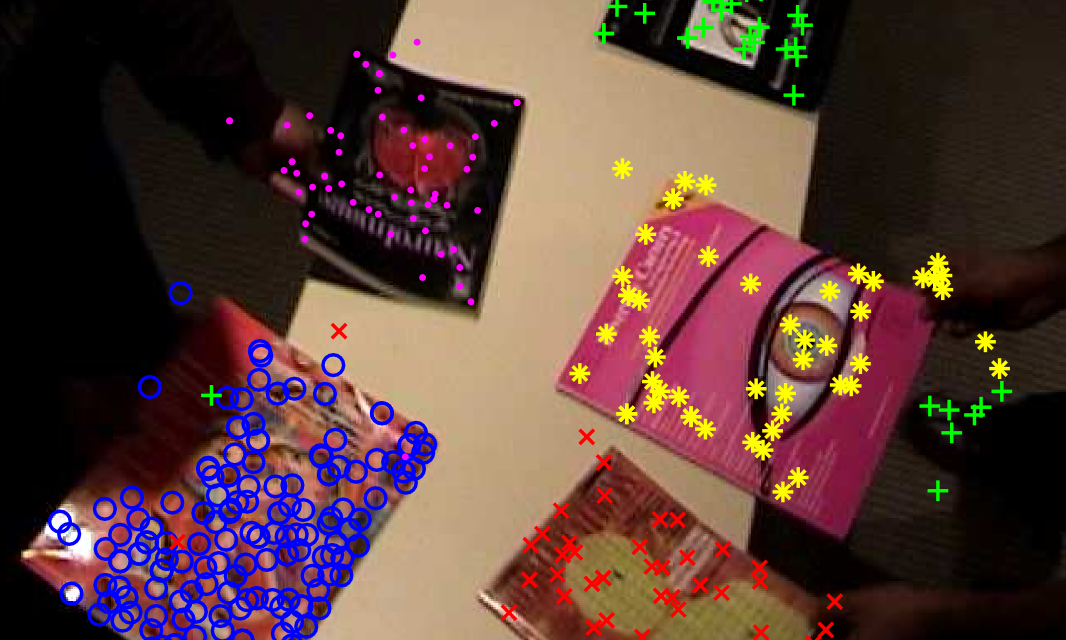
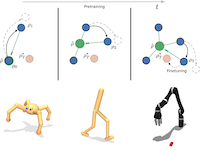
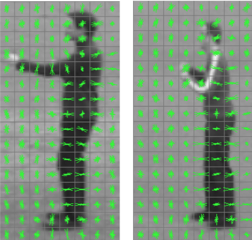
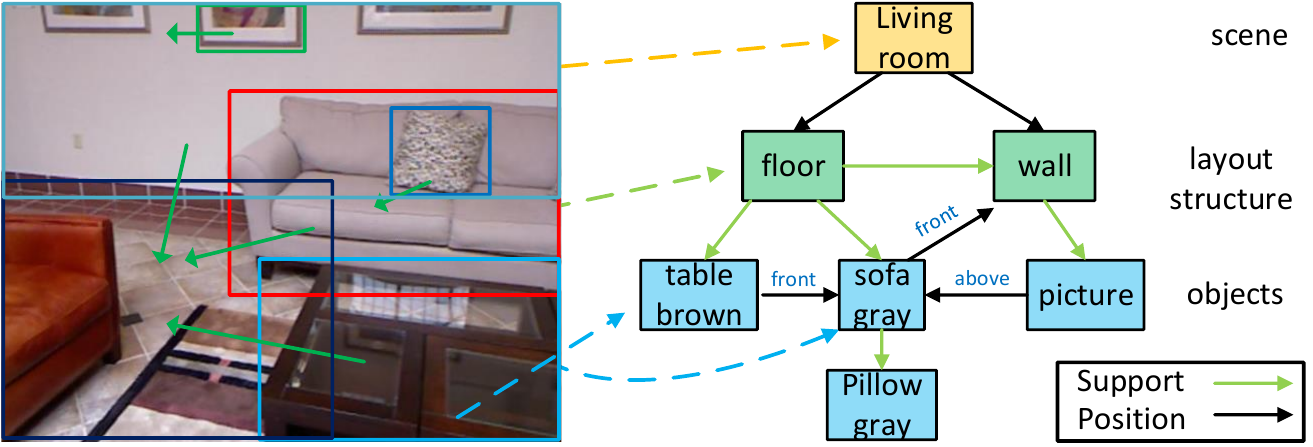
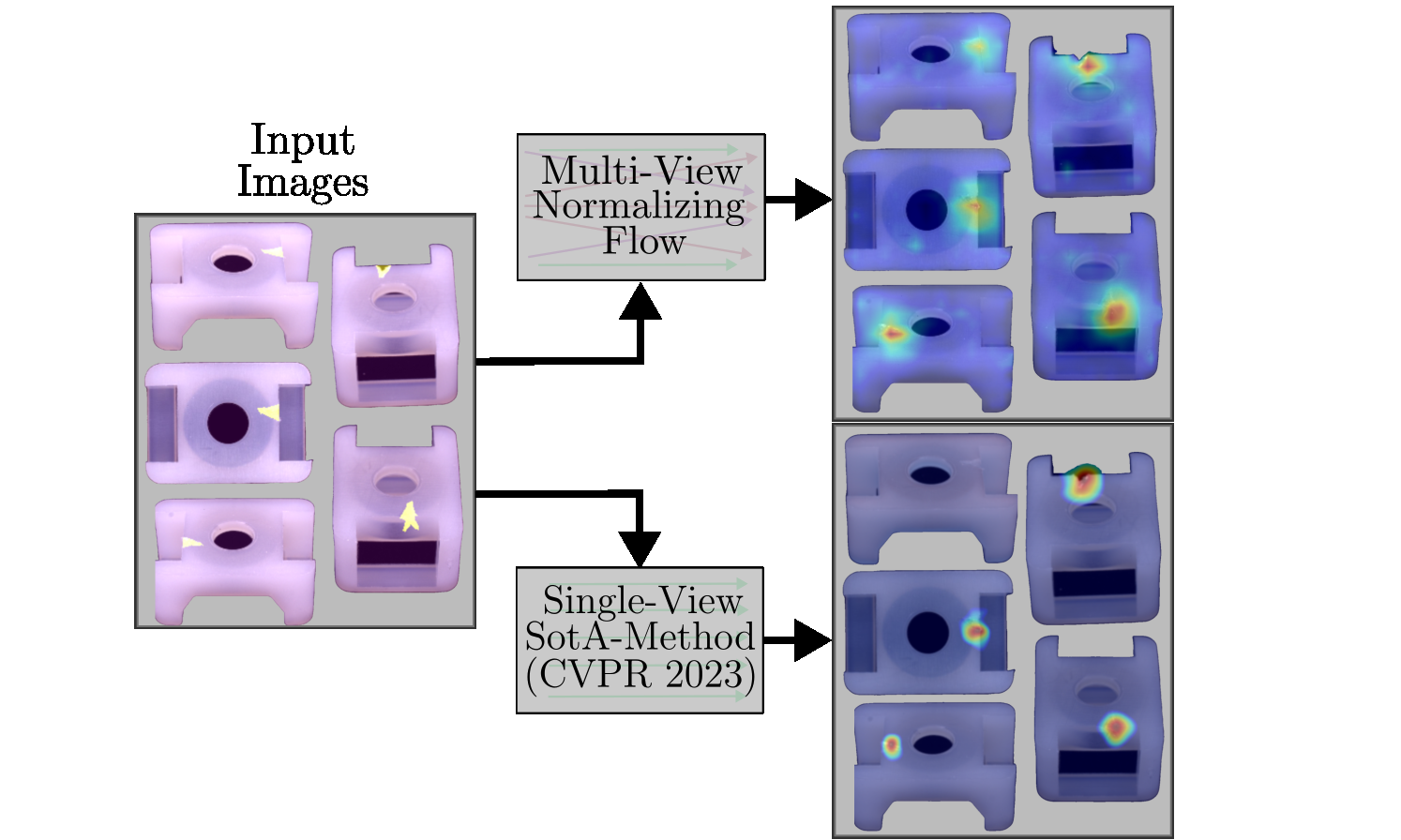
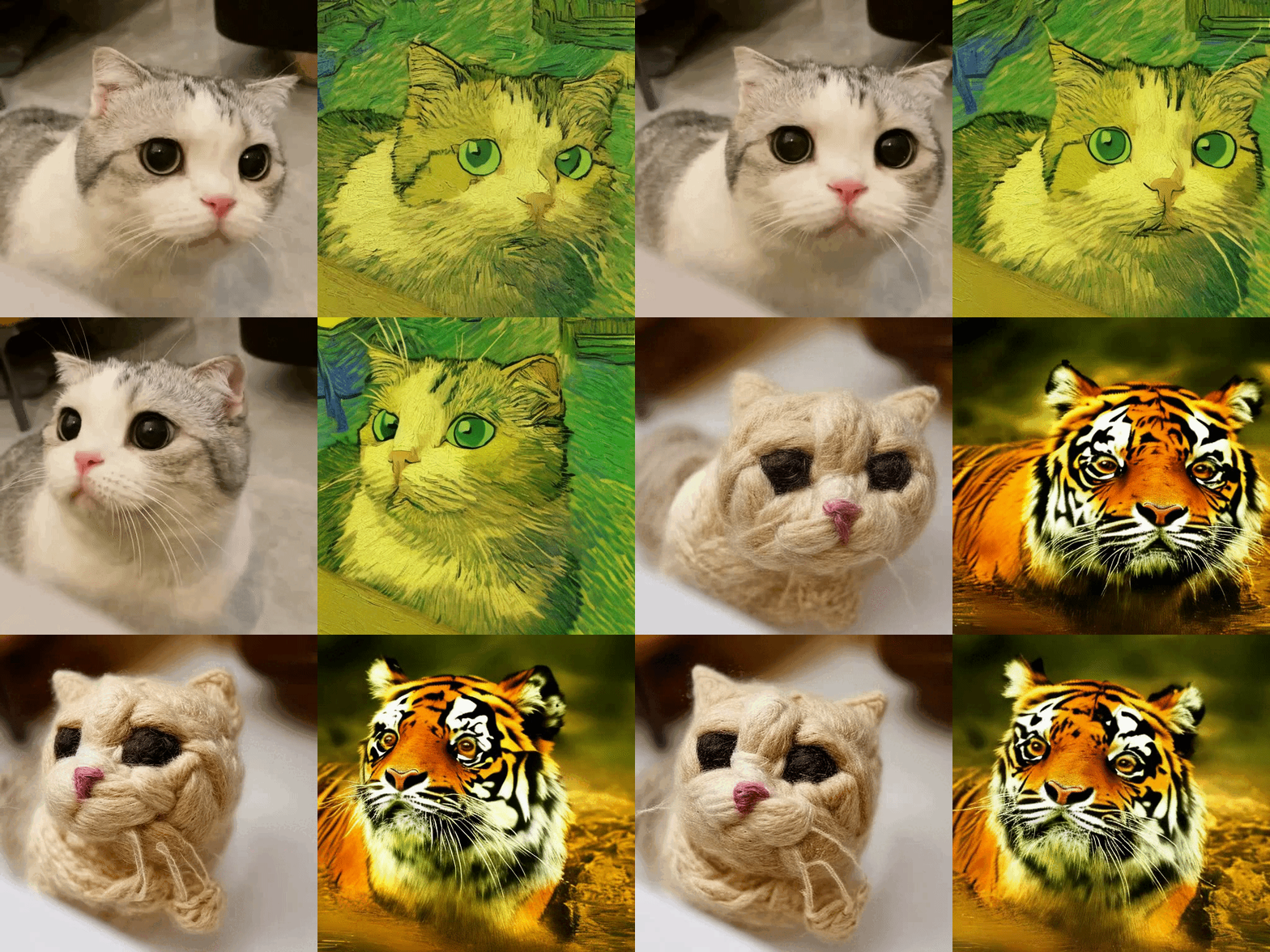
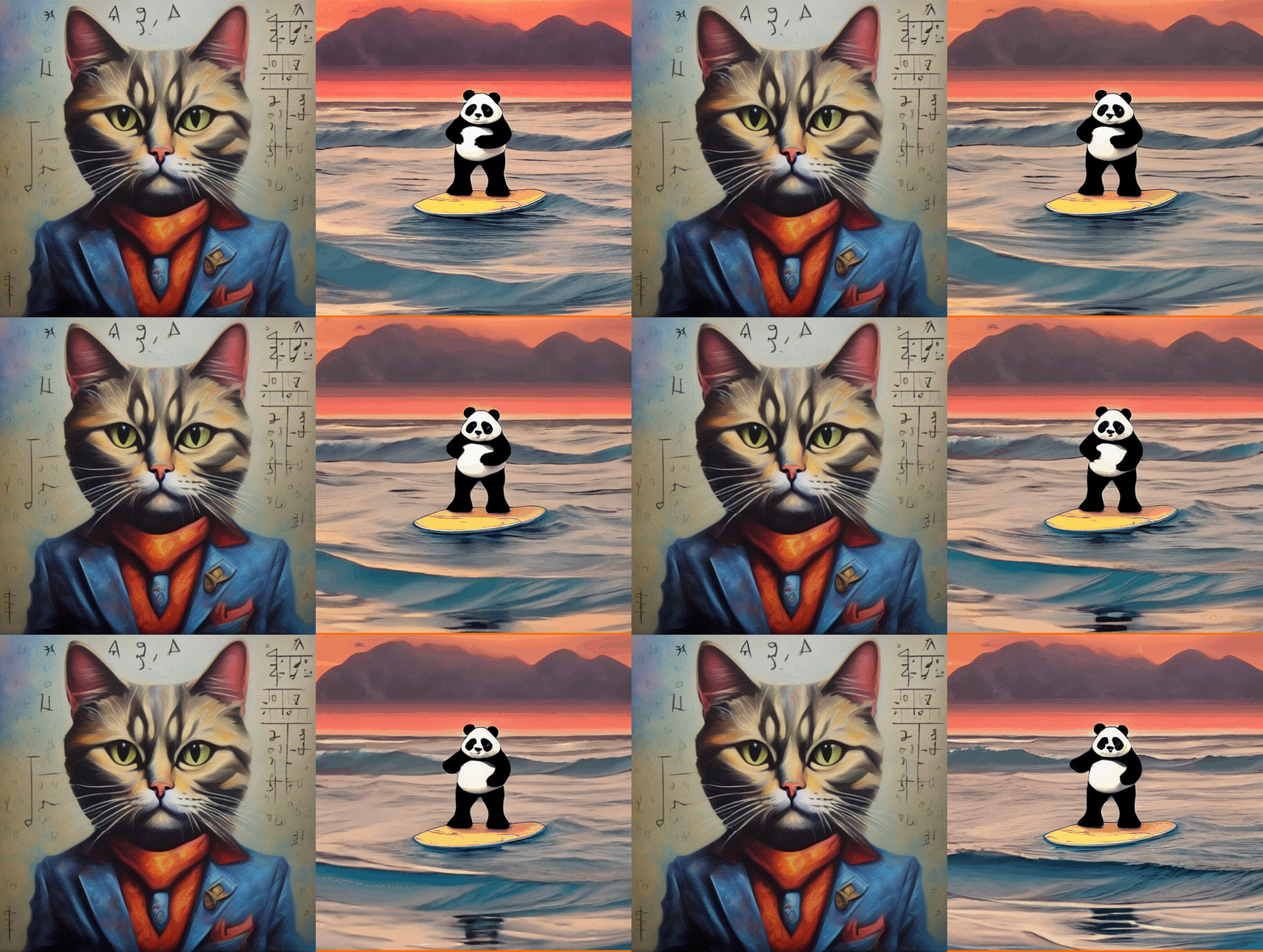
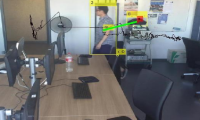
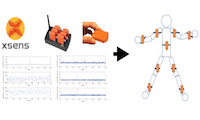
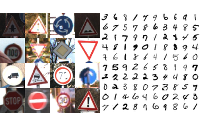
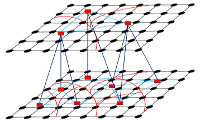
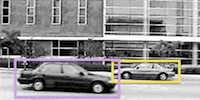
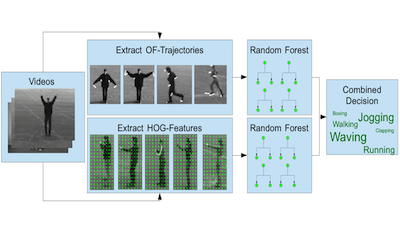
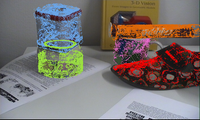
Am Institut für Informationsverarbeitung (TNT) werden Methoden im breiten Feld des Machine Learning entwickelt und auf verschiedene Problemstellungen angewandt. Das Ziel ist es, automatisiert Wissen und semantische Zusammenhänge aus großen Datenmengen zu extrahieren. Diese Informationen sind für Anwendungen wie z.B. autonomes Fahren, Krebsdiagnose, Luftbildauswertung, Augmented Reality und Industrie 4.0 extrem wichtig.
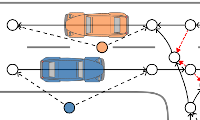
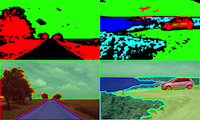
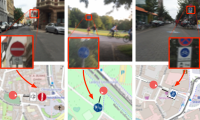
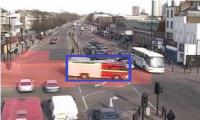
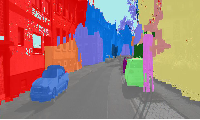
Autonome Fahrzeuge erhöhen die Sicherheit aller Teilnehmer im Straßenverkehr, indem fehlbare menschliche Fahrer durch zuverlässige Algorithmen ersetzt werden. Dazu sind robuste Methoden zur semantischen Analyse der Fahrumgebung notwendig, auf deren Basis Gefahrensituationen erkannt und Entscheidungen getroffen werden. Mithilfe maschineller Lernverfahren entwickelt das TNT Algorithmen, welche Daten unterschiedlicher Sensoren – z.B. Kameras oder Lidar – analysieren, um sicheres autonomes Fahren zu ermöglichen.

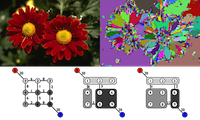
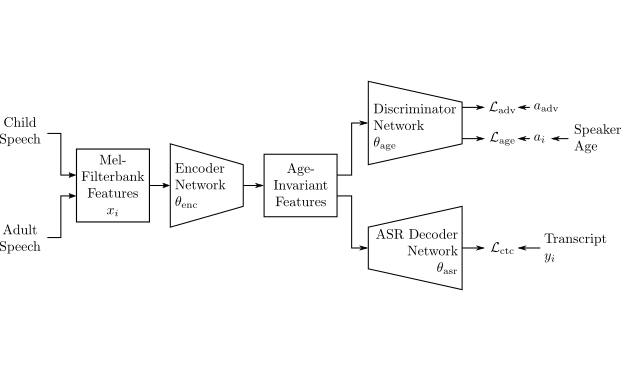
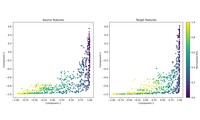
Mit gegeneinander arbeitenden Netzwerken, sogenannten Adversarial Neworks, ist es möglich, unterschiedliche Aufgaben wie die Generierung realistisch wirkender Bilder und den Informations-transfer zwischen unterschiedlichen Domänen und Sensoren zu bewerkstelligen. So kann beispielsweise die Auflösung eines Bildes erhöht oder fehlende bzw. verdeckte Bildbereiche rekonstruiert werden.
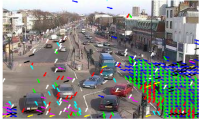
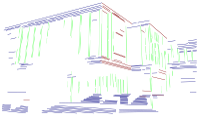
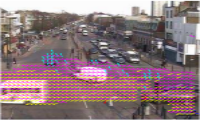
Teilnehmer im alltäglichen Straßenverkehr können mit Hilfe von Low-Cost-Sensoren in kurzer Zeit große Mengen interessanter Daten sammeln und zugänglich machen. Daraus werden mit grafischen Modellen und spezialisierten Neuronalen Netzen semantische Informationen extrahiert, wie z.B. Baustellen, welche die Bewegungsfreiheit einschränken, oder Stoßzeiten im Verkehr.
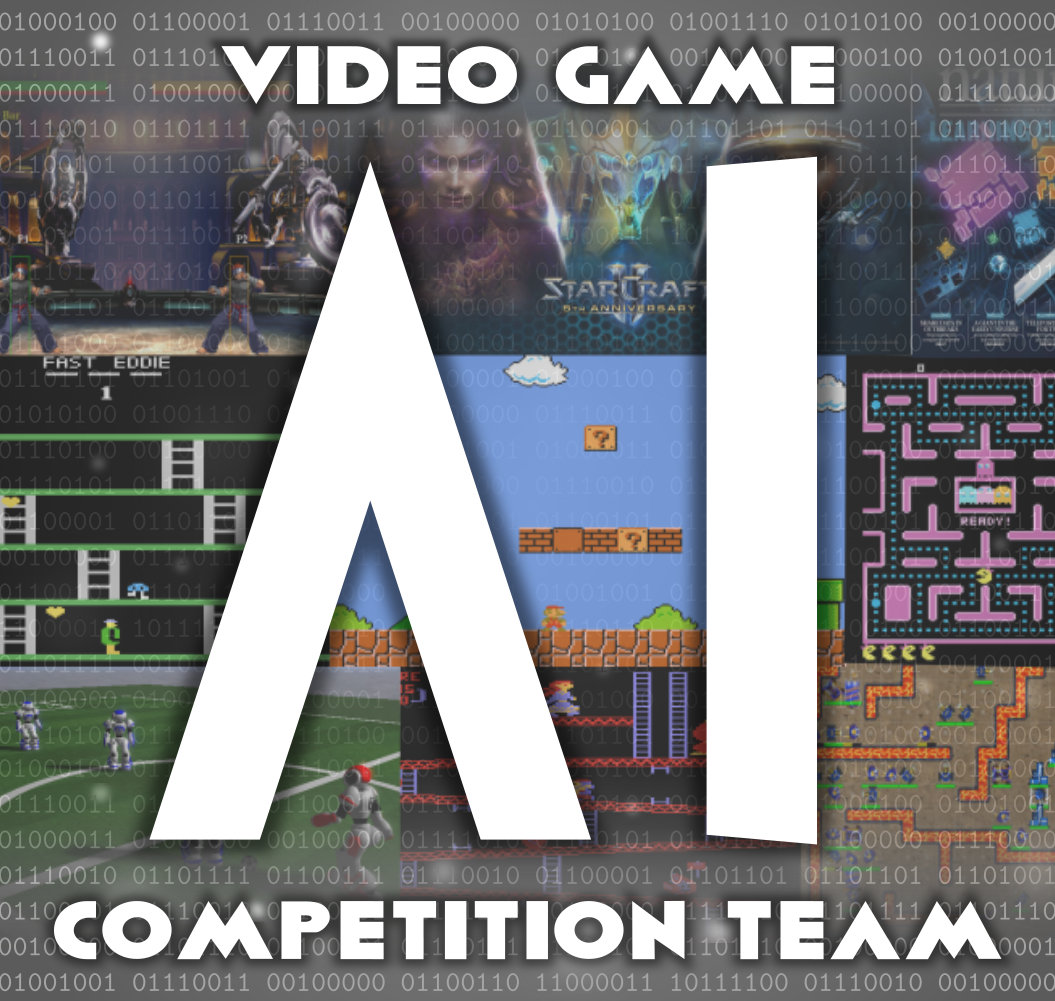
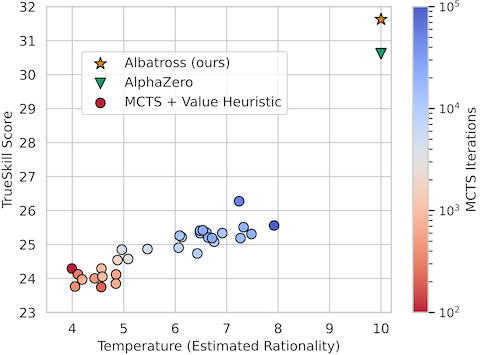
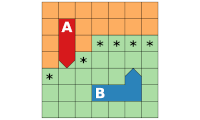
Videospiele stellen vielfältige, aber gleichzeitig gut kontrollierbare Umgebungen zur Erforschung von Algorithmen zur Entscheidungsplanung dar. Beispielsweise werden mit Reinforcement Learning intelligente Agenten für Videospiele entwickelt, welche die gleichen Informationen und Möglichkeiten wie echte Spieler haben.
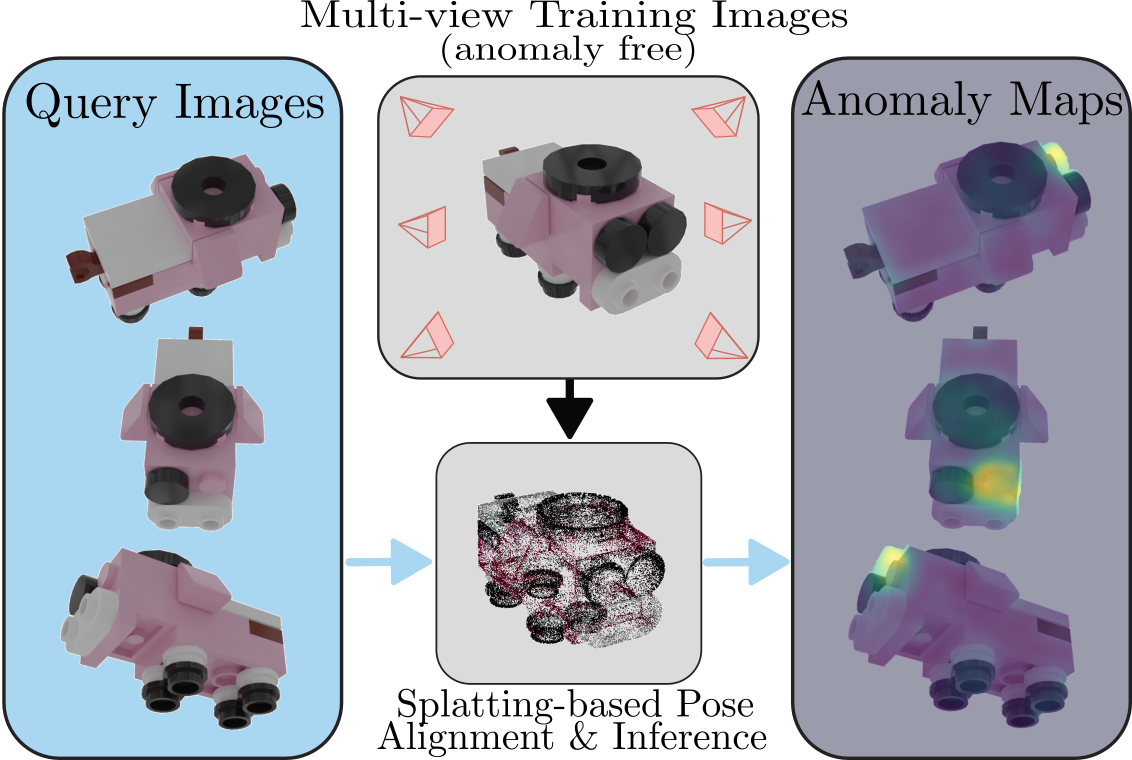
Aus Luftbildern lassen sich viele interessante Informationen extrahieren, z.B. aktuelle Karten, Städtewachstum über die Zeit, die Beurteilung von Verkehrsaufkommen oder der Auslastung von Parkplätzen. Das TNT setzt Deep Learning ein, um automatisch sowohl die Art der Nutzung von Flächen zu ermitteln, als auch Objekte in Luftbildern zu erkennen. EOT;
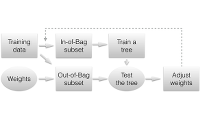
Neuronale Netze (CNNs, Autoencoder, RNNs, GANs, …) , Statistische Lernverfahren (Random Forest, Gaussian Mixture Models, Hidden Markov Models, …) , Bestärkendes Lernen (Q-Learning, MCTS, …)