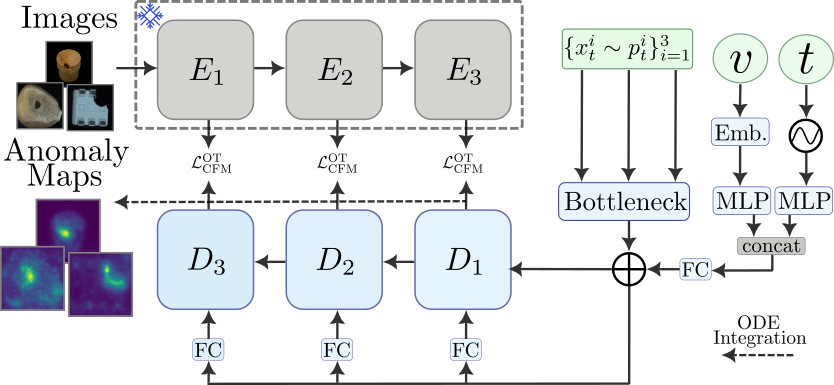
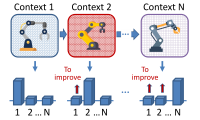
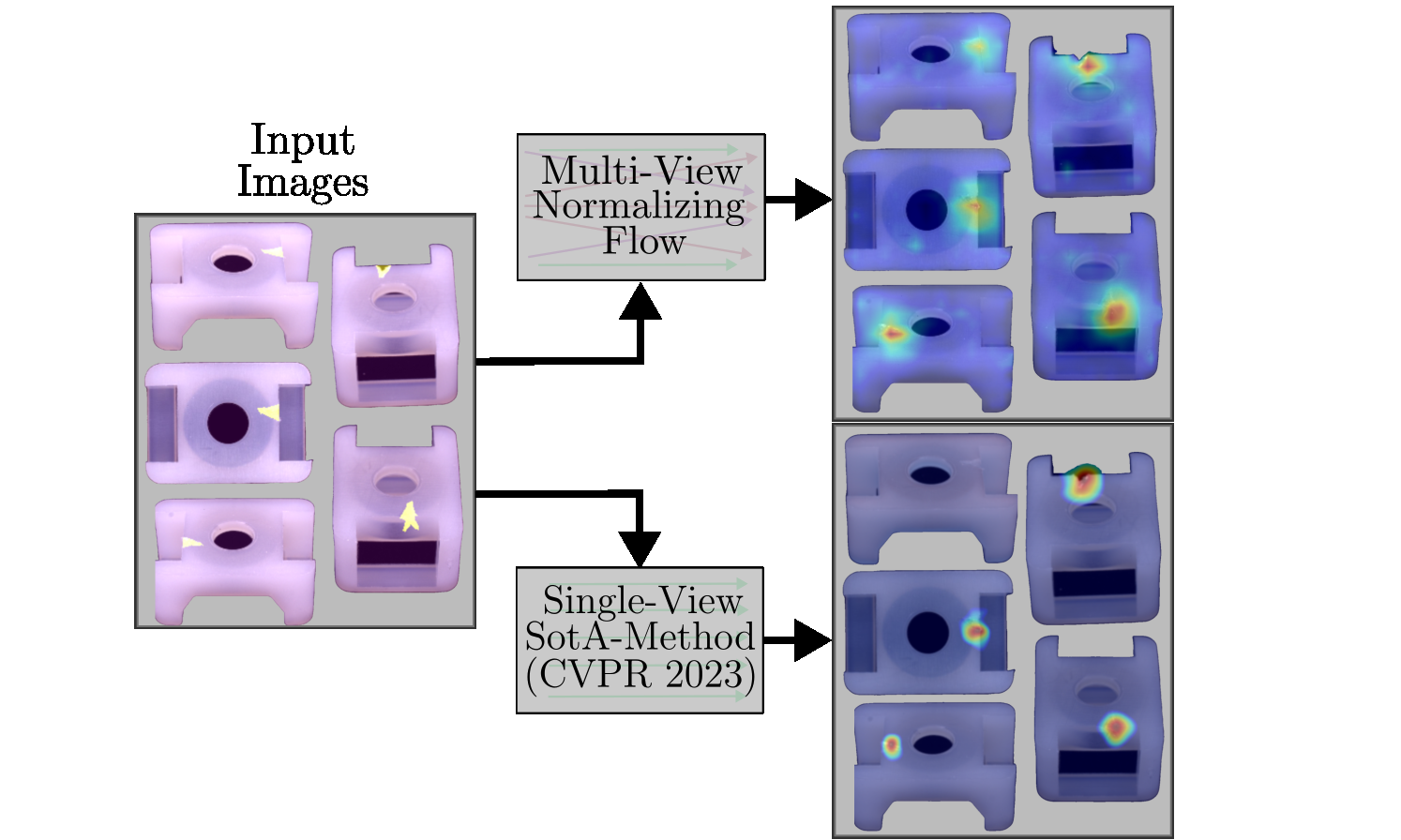
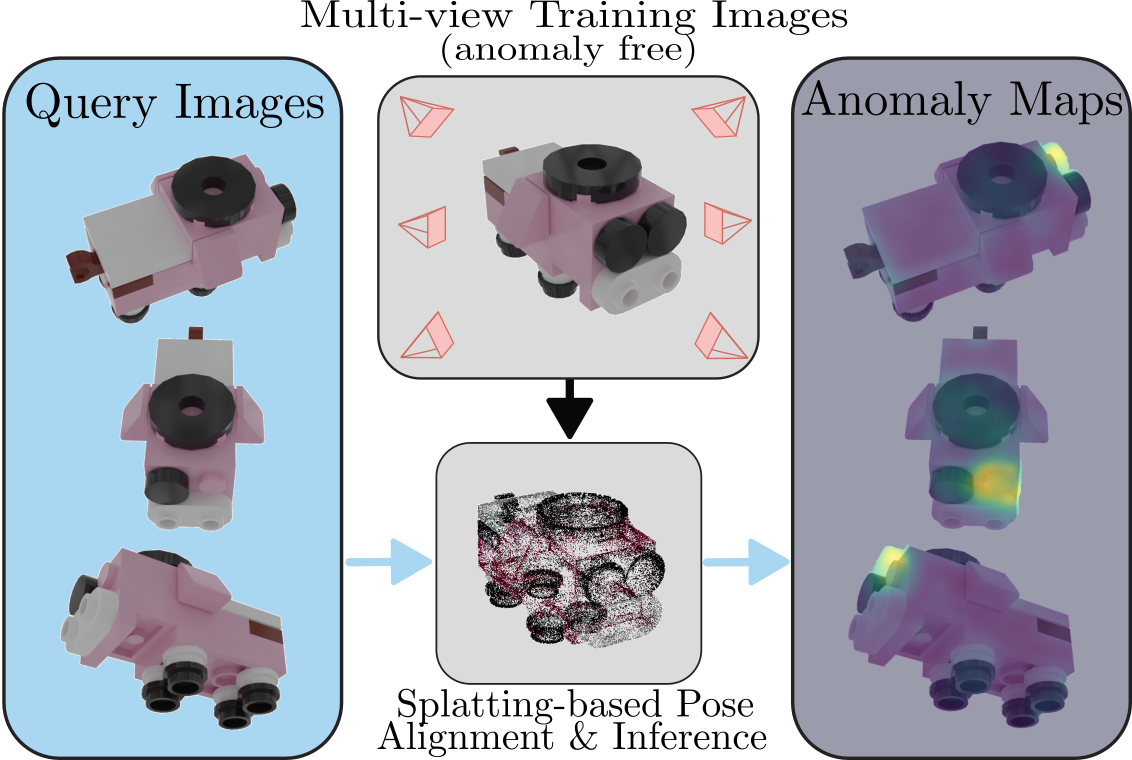
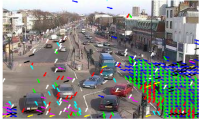
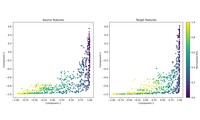
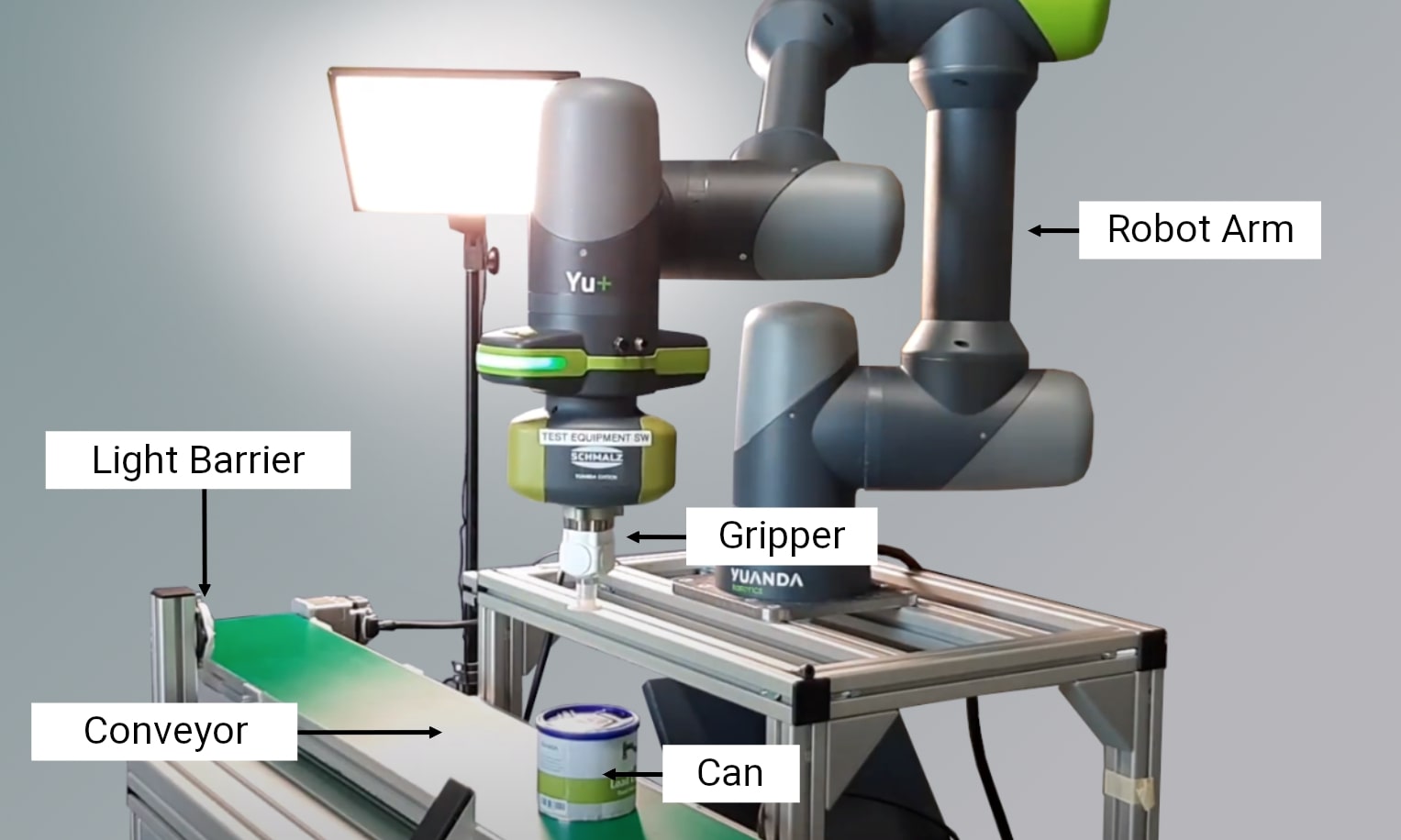
At the Institute for Information Processing (TNT), methods in the broad field of Machine Learning are developed and applied to various problems. One of these application areas is the development of artificial intelligence for dynamical systems. Machine learning applications for dynamical systems force numerous interesting challenges, which are addressed in numerous research projects at TNT.
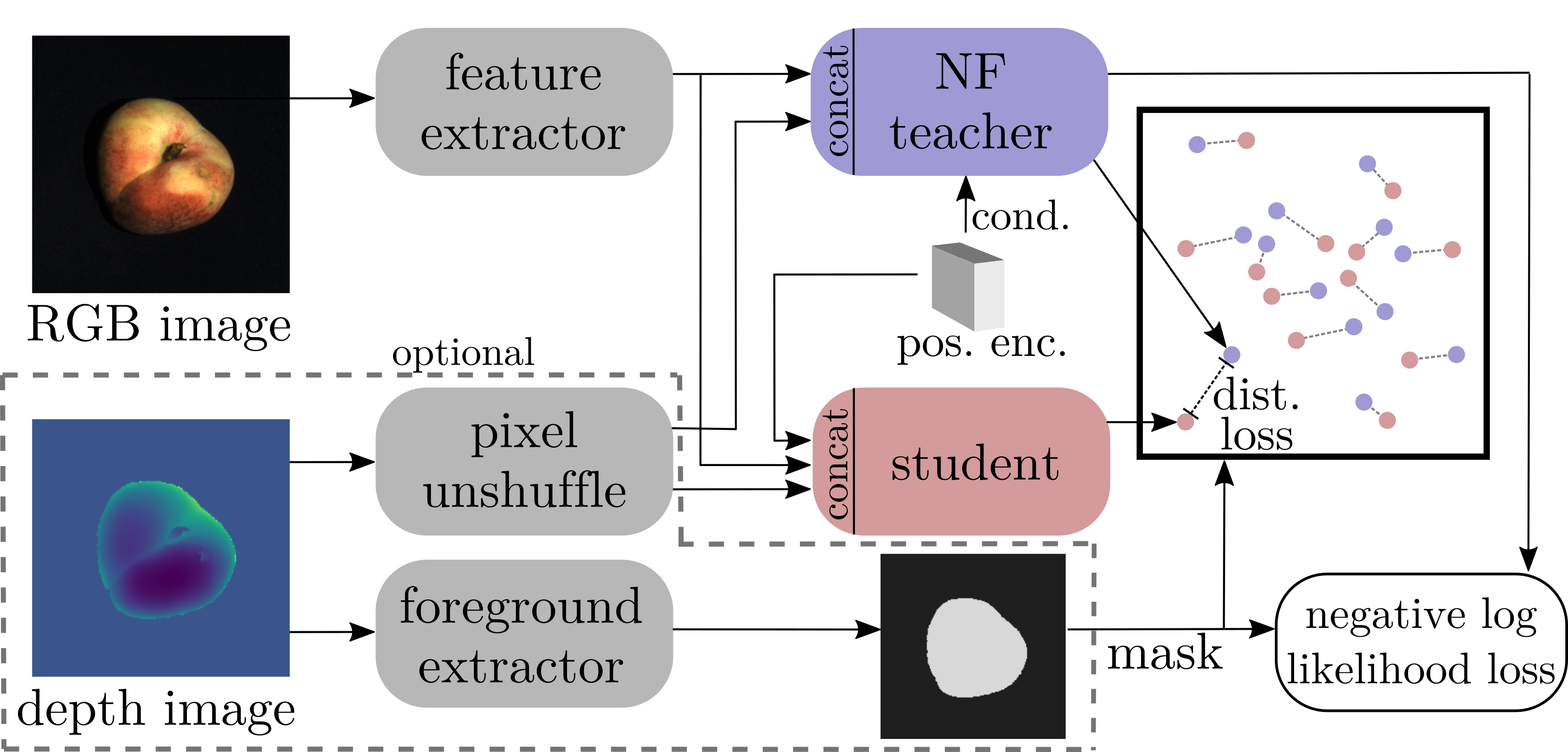
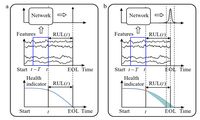
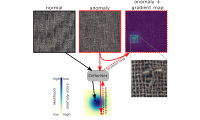
Many applications in industry 4.0., medicine or infrastructural management such as predictive maintenance tasks, leakage detection, system monitoring or structural health monitoring make use of anomaly detection methods in time-series data. These time-series are often derived from sensors or sensor networks with different types of sensors, that measure the properties of the system. The resulting anomaly detection methods are based on machine learning algorithms and can be used to automize the basic processes behind these tasks.
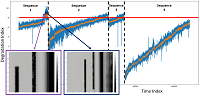
Time-series forecasting (TSF) has evolved from simple statistical methods to complex deep-learning architectures, that process raw time-series data. The core challenge in modern Time-series Forecasting, particularly in Long Time-Series Forecasting (LTSF),is distinguishing between transient noise and structural patterns that persist over thousands of time steps.
It has been shown in many recent research papers, that physics information can enhance the model performance of machine learning models in dynamical systems. In the physics-informed machine learning research, different architectures are therefore developed, that make use of PDEs (partial differential equations) to improve the model performance. These architectures include the development of physics informed graph neural networks, novel network layers or architectures as well as neural operator learning.
Optimizing process parameters through AI involves deploying intelligent algorithms to dynamically monitor and refine operational variables. AI algorithms, such as machine learning and neural networks, can analyze large datasets from the process to identify patterns and relationships between process parameters and outcomes. By employing predictive modeling, AI can forecast the impact of different parameter settings on performance and quality, allowing for data-driven decision-making. Techniques like reinforcement learning can be used to adaptively improve process parameters in real-time, ensuring optimal performance under varying conditions. Further techniques, such as active learning and generative inverse design networks, enable efficient optimization of process parameters by balancing exploration and exploitation of design space, guiding the selection of desired configurations and continuously improving predictions with minimal experimental cost. The integration of AI not only enhances the speed and accuracy of optimization efforts but also enables the discovery of novel solutions that might not be apparent through traditional methods, thus driving greater efficiency and innovation in industrial processes.